
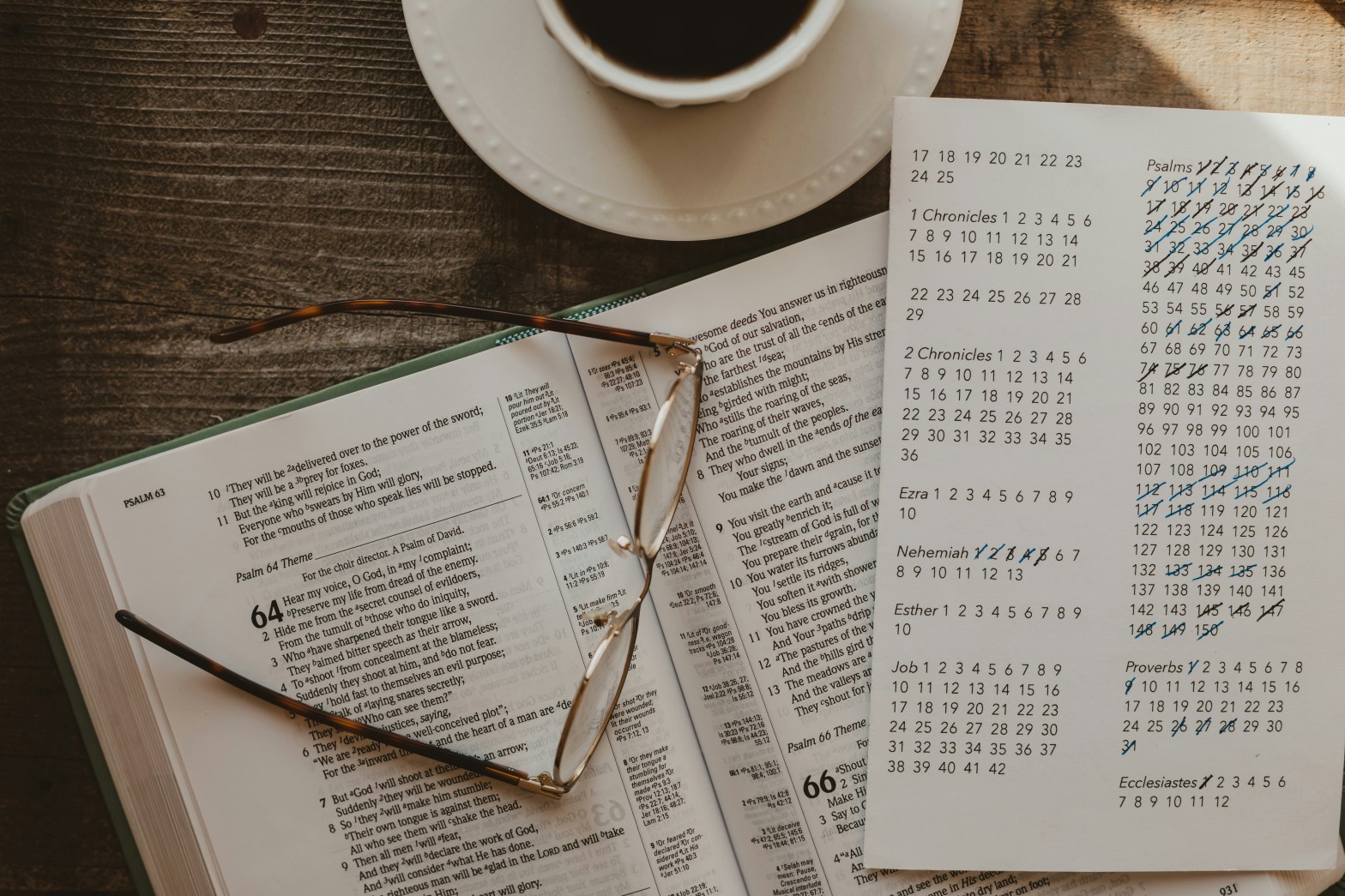
One of the most important parts of my daily routine is time with the Lord in His word and prayer. For all of my adult life I have been an early riser — greeting each morning with a cup of coffee, a journal, a Bible and prayer.
This daily discipline stems from the pattern of Jesus in Mark 1:35. That verse says about Christ, “And rising very early in the morning, while it was still dark, he departed and went out to a desolate place, and there he prayed.” My goal each day is to hear from God, fellowship with Him, process ongoing challenges and receive my marching orders as a follower of Jesus.
I was recently introduced to an ancient spiritual discipline called Lectio Divina — Latin for “divine reading.” One online source defines Lectio Divina as “a slow, rhythmic reading and praying of a Scripture passage.” The goal of this discipline is not to read as much of the Bible as you can but instead to enjoy a slower, meditative reading of Scripture so that our lives can be more deeply impacted.
One podcast I listened to describes four important elements of Lectio Divina.
First, read a portion of Scripture: I have been in the habit of reading one chapter of the Bible each day for more than 30 years. I start with Genesis, work through Revelation and then start over again. This routine has me reading through the Bible every three years or so and the pace is slow enough that I have time to do more than just read. As I read through a chapter, I am looking for a verse or paragraph to dwell on a little deeper.
Second, meditate on a selected portion of Scripture: When my girls were young, I taught them how to read the Bible and get something out of it by reading a chapter of the Bible each day, underline each verse that stood out to them and select one of those verses to consider more closely. That practice of deeper reflection is called meditation. King David said in Psalm 1:2, “But his delight is in the law of the LORD, and on his law he meditates day and night.” Meditation on the word of God involves repeating the Scripture over and over, highlighting a different word or phrase each time, with the goal of asking God to help us better understand His message and to hear from Him more clearly.
Third, pray the truth back to God: For instance, my Bible reading recently had me in 2 Corinthians 11, where I focused in on verse three: “But I am afraid that as the serpent deceived Eve by his cunning, your thoughts will be led astray from a sincere and pure devotion to Christ.” My meditation on the text helped me discover that while Satan cannot steal the souls of saved people, he can try and lead us away from a “sincere and pure devotion to Christ.” In fact, it is possible to be devoted to Christ’s work, His words, even reaching the world, but not be devoted to Jesus Himself. From there my heart was moved to pray that God would help me be devoted to Christ.
Fourth, contemplate what you heard in God’s word: The last element of Lectio Divina is simply thinking about what you have discovered in your reading and meditation from the Scripture and resting in the goodness and grace of God. Oftentimes in our Bible reading we may see our massive shortcomings. At other times we are reminded of things we are called to do. If we are not careful, we can leave our time with God discouraged and overwhelmed. Contemplation is more about having met with God in Bible reading and prayer, resting in the fact that He is our Father and He will help us with our struggles to overcome sin and practice righteousness.
The goal of Bible reading is not to gain mastery of the Scripture, but for God to master us as we submit to His will as revealed in His word. Lectio Divina is one more tool you can use to help you grow in Christlikeness.

