
Kentucky Baptists make up the largest protestant denomination in Kentucky, even though technically we are not a denomination. There are more than 500,000 members in the 2,300 Kentucky Baptist churches across our state.
Last year those churches gave more than $33 million to Kentucky and Southern Baptist ministry and mission causes and baptized more than 11,000 people. That kind of impact year after year has made, and continues to make, a gospel difference in Kentucky and the world.
Another way we make a difference in our state is to utilize our voice for human flourishing in the Commonwealth. While we are not a political convention of churches, we would be naïve to think that we are not concerned with politics. Politics connect to public policy, and public policy impacts our religious liberty protections: the protection of the unborn, the way fellow image bearers are treated or mistreated by governments and more.
For that reason, it is wise for pastors, elders and ministry leaders to consider how we can mobilize the voice of the local church and Kentucky Baptists collectively for the common good. Here are five suggestions:
1. We need to see the importance of speaking together on the issues: Before church leaders can give genuine attention to anything at all, whether it be preaching, outreach, leadership, pastoral care, discipleship or other matters, we must first care about them. It is difficult to care about everything and sometimes public policy issues become just one more thing that requires our attention. The Bible, however, reminds leaders, through the admonition of King Lemuel’s mother to “open your mouth, judge righteously, defend the rights of the poor and needy” (Proverbs 31:9). Pastors, elders and ministry leaders are obviously not kings, but we are leaders. For us to mobilize our church’s voice for the common good, first we must see the importance of speaking about key issues.
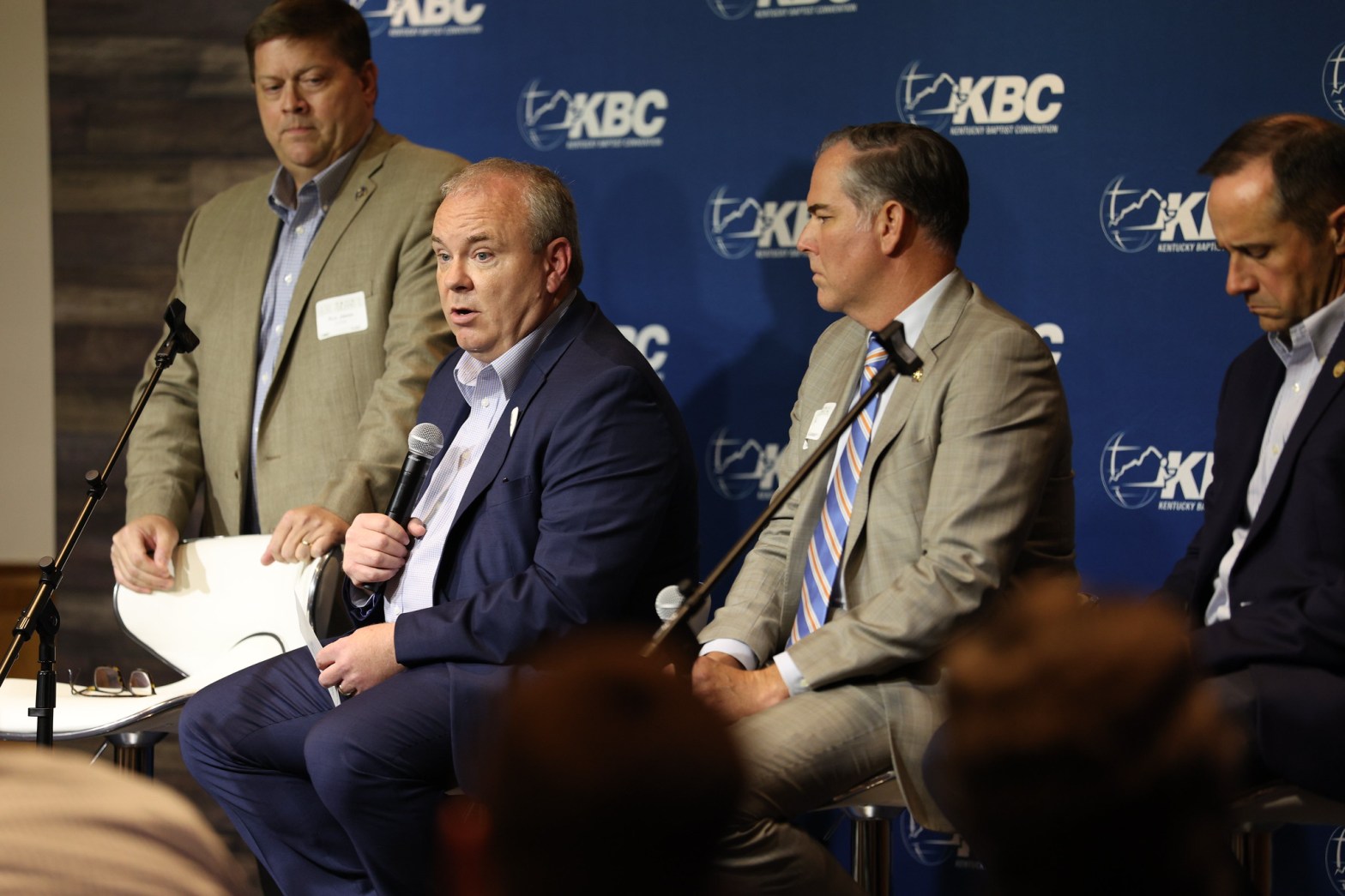
2. We need to identify our elected representatives: In order for Kentucky Baptists to interact with their elected leaders, we need to know who they are. Recently, several Kentucky legislators were invited to a gathering of Kentucky Baptists pastors and church members to hear about issues of importance to us. These political leaders prioritized this gathering and organized their schedules so they could attend. One of them texted me afterwards expressing appreciation for the gathering and indicated he would love to participate in more events of this type where he could speak to and hear from citizens of our state.
You can help your church know their elected officials by going to https://apps.legislature.ky.gov/findyourlegislator or simply doing an internet search under the heading of “Find my Kentucky legislators.” Then share with your church or ministry the name and contact information for those in your area who make laws that impact us all.
3. We need to speak to the issues of highest concern: While the price of gas, electricity and the future of data centers are kitchen table issues across the Commonwealth, Kentucky Baptists should be concerned with other issues of kingdom importance as well. This year our KBC Public Affairs Committee is giving attention to pressing public policy issues such as banning the abortion pill from coming into Kentucky, defending medical conscience rights, seeing the Ten Commandments return to our public schools and defending the rights of Sunrise Children’s Services and other faith based non-profits to carry out their ministries while doing so in accordance with their deeply held religious convictions. There are other issues Kentucky Baptists care about, but these are ones we can prayerfully encourage our legislators to support in the coming legislative session.
4. We can ask those we lead to use their personal contacts: In hearing stories from our elected leaders, it is often the case that a single relationship with a constituent can change their willingness to support or oppose a public policy issue. I know of gambling expansion that was resisted because of a one-to-one conversation with an elected leader. Help your church members understand that they, like Queen Esther in the Bible, could be positioned to make a difference for the common good in our state for “such a time as this” (Esther 4:14).
5. We can ask those we serve to pray together for the issues of our day: We are commanded in Scripture to pray for those in government authority. Paul exhorted Timothy, and those of us in ministry leadership, in 1 Timothy 2:1-2: “I urge, then, first of all, that petitions, prayers, intercession and thanksgiving be made for all people — for kings and all those in authority, that we may live peaceful and quiet lives in all godliness and holiness.” We should certainly pray for our elected leaders and pray that they will pass laws that are good for people and pleasing to God.
While our time here on earth is only temporary and we are looking forward to a new heaven and a new earth, let us use our voice during our stay here on earth for the glory of God and for the good of others. The greatest way to do that is to share Christ with those in our circles of concern. We can also mobilize our collective voice to speak for the common good.

